
Holding an old coin can feel like holding a small, mysterious history. Before you dream of finding a fortune, spend a few careful minutes learning what matters when valuing coins. This guide walks you through identification, condition, scarcity, market demand, and the practical tests and resources that give estimation pièce de monnaie gratuite their worth. You’ll leave with a reliable process you can use on any coin, whether it’s a tarnished pocket change from your grandparents or a small silver piece you dug out of a jar.
Start with Identification: Know Exactly What You Have
The first job is basic but crucial: correctly identify the coin. That means noting the country, denomination, date, and any mint mark or distinguishing features. On American coins, the mint mark can be a tiny letter—D, S, P, W—usually on the obverse or reverse depending on the era. On foreign coins, look for language cues, portraits, and symbols that tie the piece to a period or ruler. Photograph both sides of the coin under good light and keep those images; they’re your reference and can be used when asking experts for help.
Quick ID checklist
- Country of origin and denomination
- Date or reign (if no date, note portrait or symbol)
- Mint mark(s) and any tiny letters or symbols
- Obvious errors or oddities (off-center strikes, doubled die, clipped planchet)
- Photograph obverse and reverse with scale for size reference
Assess Condition: Grading Basics You Can Do at Home
Condition dramatically affects value. Professional grading uses detailed standards, but you can estimate condition yourself with a loupe or magnifying glass and a steady eye. Look for wear on high points, the clarity of lettering, whether the fields (background areas) are scratched or clean, and if luster or original finish remains.
| Grade | Short Description | What to look for |
|---|---|---|
| Uncirculated / Mint State (MS) | No wear from circulation | Sharp details, full luster, only minor contact marks |
| Extremely Fine (EF / XF) | Light wear on the highest points | Most details sharp; slight loss of luster |
| Very Fine (VF) | Moderate wear | Major design elements visible but worn |
| Fine (F) / Good (G) | Heavy wear | Outline of designs visible; legends readable but weak |
| Poor / Damaged | Severe wear or damage | Cracked, bent, cleaned harshly, or corroded |
Be conservative in your estimate. Overgrading a coin at home is a common mistake; when in doubt, assume a lower grade and adjust if a professional disagrees. If you plan to sell to a collector or on a platform that expects certification, professional grading (PCGS, NGC) is the usual next step.
Rarity, Mintage, and Varieties: The Value Drivers
Value isn’t set by age alone. Rarity often comes from low mintage numbers, survival rate, or a recognized variety or mint error. A common-date coin in high grade can be worth more than a rare date in poor condition because collectors prize attractive pieces. Also, varieties—intentional design changes or die differences—can create significant collector interest. For many coins, pay attention to known key dates and well-documented varieties; resources like specialized catalogs and variety guides will list these.
Where to check rarity and varieties
- Official mintage figures in standard coin catalogs
- Specialized books for series (e.g., Morgan Dollars, British Sovereigns)
- Online variety databases and forums
- Auction archives to see how often a specific type appears
Metal Content and Intrinsic Value
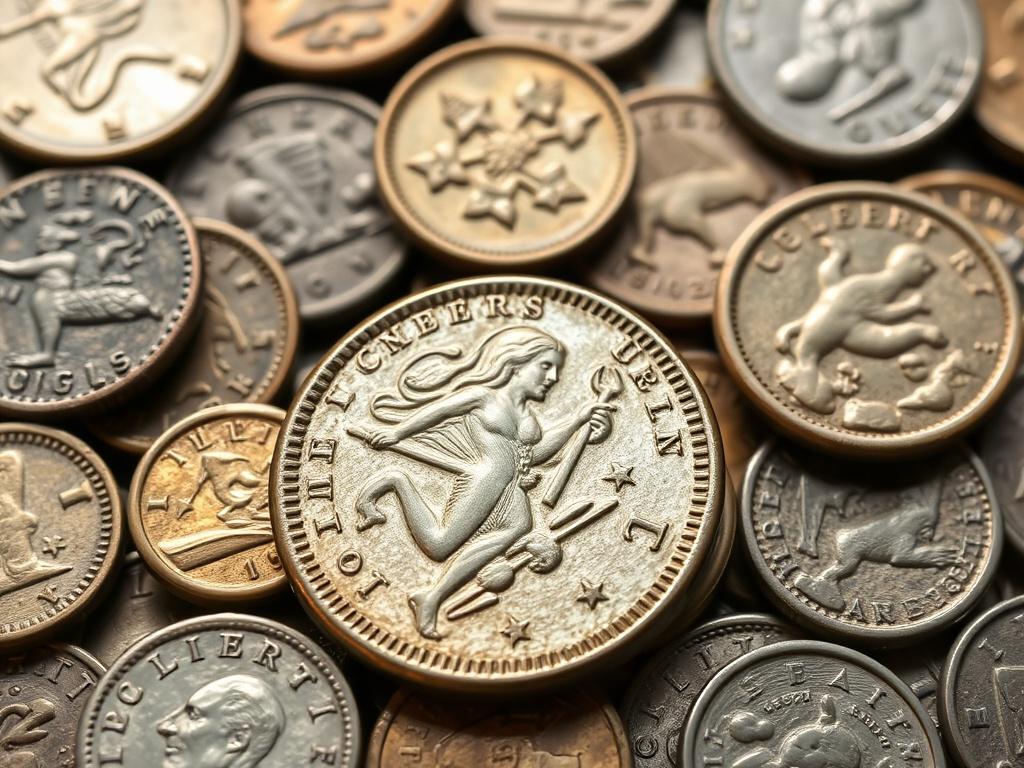
Some coins have intrinsic value due to metal content—silver, gold, or other precious metals. Use a trusted reference to determine whether the coin is issued in precious metals and its fineness. For bullion-type coins, melt value (metal weight × spot price) establishes a floor under the market price, but collector premiums often elevate the price above melt. For old copper or nickel coins, metal content is usually negligible compared to numismatic value, so focus more on rarity and condition.
Quick metal-check tests
- Magnet test: helps detect base-metal counterfeits (most precious metals are non-magnetic)
- Visual inspection for color, toning, and wear patterns consistent with type
- Professional assays or XRF for high-value pieces when metal content is uncertain
Use Trusted References and Market Tools
After identification and grading, consult price guides, auction results, and dealer lists. Cross-referencing multiple sources gives a realistic range rather than a single quoted price. Track recent auction results for the exact date and grade where possible—markets change, and past prices matter more than decade-old book values.
| Resource | Best for | Notes |
|---|---|---|
| PCGS / NGC Price Guides | Modern US coins and high-end international pieces | Provides certified-population data and recent auction prices |
| Numista | World coins and community-sourced values | Good for identification and basic pricing, especially older foreign coins |
| CoinArchives / Heritage | Auction records | Search sold lots to see real prices for specific grades |
| eBay (completed listings) | Market demand and realized prices for common coins | Use completed/sold filters and examine sell-through rates |
When to Get a Coin Certified
Certification is worth the cost if a coin might be expensive enough that third-party authentication and grading add buyer confidence. Certification is especially important for: rare dates, high-grade examples, coins with suspected errors, and pieces that could be counterfeits. Prospective buyers expect certification for valuable modern and classic pieces; it usually makes selling easier and can increase prices because it reduces perceived risk.
Points to consider before sending in a coin
- Certification fees vs. expected benefit (tiered fees for declared values)
- Authentication for unique or error coins can be decisive
- Turnaround time and submission risks—use insured shipping
Tools and Practical Tests You Can Do at Home
With a handful of inexpensive tools you can run meaningful checks: a 10x loupe for detail, digital calipers and a scale for size and weight, a magnet, and a good light source. For more advanced testing, jewelers and labs can perform specific gravity or XRF scans to verify metal composition without damaging the coin.
Basic tools list
- 10× jeweler’s loupe
- Digital calipers (mm) and gram scale
- Small magnets
- Soft cotton gloves and coin holders
- Reference books or printed images for comparison
Use calipers to check diameter and thickness against reference specs; use the scale to compare weight with published standards. Small deviations can indicate wear or a counterfeit. Remember that cleaning, drilling, or improper holders can lower value more than minor surface wear.
Common Pitfalls and How to Avoid Them
People often make avoidable mistakes: over-cleaning coins, trusting a single price source, or selling before checking auction histories. Cleaning usually destroys value for collectors because it alters surface patina and details. Likewise, falling for “too good to be true” offers or accepting vague authentication claims from sellers without paperwork invites loss. Always get a second opinion on rare or expensive items.
- Don’t clean coins—cleaning removes patina and often reduces value.
- Don’t assume age equals value—condition and rarity matter more.
- Avoid impulse sales; check multiple sources and, if practical, get a professional appraisal.
A Practical Workflow: Step-by-Step Checklist
- Photograph both sides with a scale in the frame.
- Identify type, date, and mint mark. Use references to confirm.
- Estimate grade using the simple grading guide; note any damage or errors.
- Check metal content and weigh the coin; use calipers for dimensions.
- Search price guides and auction archives for similar dates and grades.
- If the coin appears valuable, consider third-party certification.
- If selling, present clear photos, documentation, and certification if available.
Keeping Your Coins Safe and Marketable
Storage and documentation maintain value. Use inert holders, avoid PVC flips, and control humidity. Keep receipts, provenance, and any certification paperwork together and digitize records. A well-documented coin with a clear chain of custody and professional certification will command higher prices and find buyers more quickly.
When to Ask an Expert
If a coin could be rare or valuable—or if you encounter anything unusual—consult a reputable dealer, a local coin club, or a certified grader. Experts can spot hallmarks, varieties, and subtle signs of forgery that are easy to miss. For high-value coins, seek multiple opinions and get any purchase or sale underwritten with a clear return policy or a guarantee.
Conclusion
Valuing old coins is a blend of observation, reference research, and market sense. Start by identifying the coin, estimate its condition conservatively, check mintage and varieties, and consult multiple price sources and auction results. Use basic tools to verify size and weight; avoid cleaning and document everything. For anything that could be valuable, get third-party certification and expert advice. With a careful, methodical approach you’ll turn curiosity into understanding—and perhaps find that a small disc of metal holds more than sentimental weight.